Gateway City Guide:
Dublin, Ireland
Welcome to Dublin, Ireland – one of Parallel’s “Gateway Cities.” For most of our travelers, Dublin is the jumping‑off point for our adventures along Ireland’s West Coast.
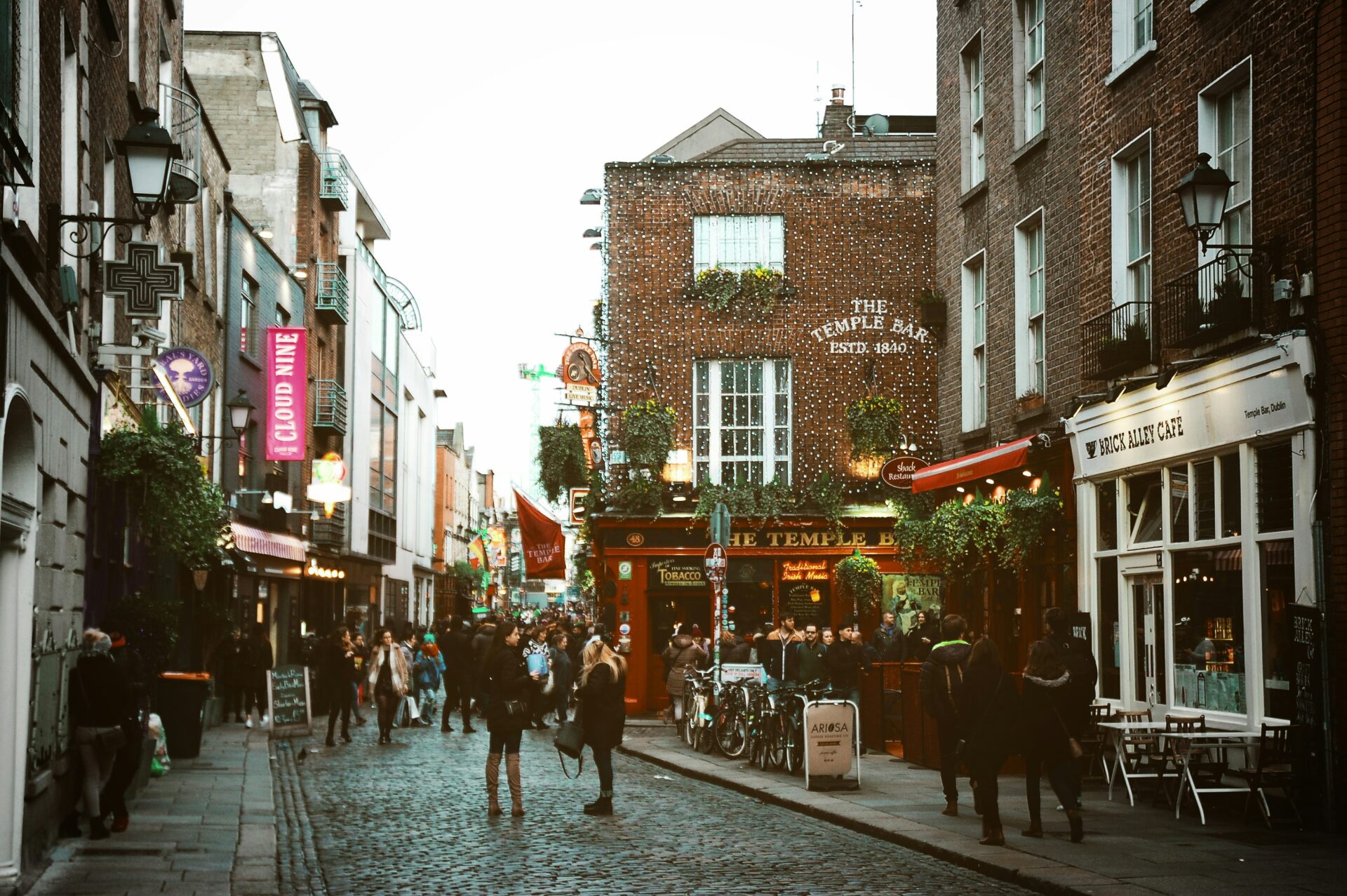
What is a “Gateway City” at Parallel?
A Gateway City is a major European hub with an international airport that makes getting to and from the U.S. simple and efficient. We choose our hiking destinations near these cities to minimize travel friction and maximize your time on the trail. With Dublin as your entry point, you’re just a scenic train ride away from Ireland’s rugged cliffs, emerald hills, and famously warm hospitality.
Ok, I’m headed to Ireland with Parallel and flying into Dublin – now what?
You’ve booked your flight to Dublin Airport (DUB). Fantastic. Here’s how to make the most of this lively, literary, music‑filled capital.
First things first: How do I get from the airport to the city center?
Dublin Airport is about 10 km north of the city center, and getting downtown is easy and inexpensive. You’ve got a few options:
Aircoach : A comfortable, reliable express bus that runs frequently.
- Cost: €8–€9 one‑way
- Time: 25–35 minutes
- Drops you at: St. Stephen’s Green, O’Connell Street, and other central stops
Dublin Express (formerly Airlink): Another fast bus option with multiple central stops.
- Cost: €8 one‑way
- Time: 25 – 30 minutes
Taxi: Taxis queue outside Arrivals and are metered.
- Cost: €30 – €40 depending on traffic
- Time: 20–30 minutes
Rideshare: Uber exists in Dublin, but it functions as a taxi‑hailing service – your ride will still be a licensed taxi.
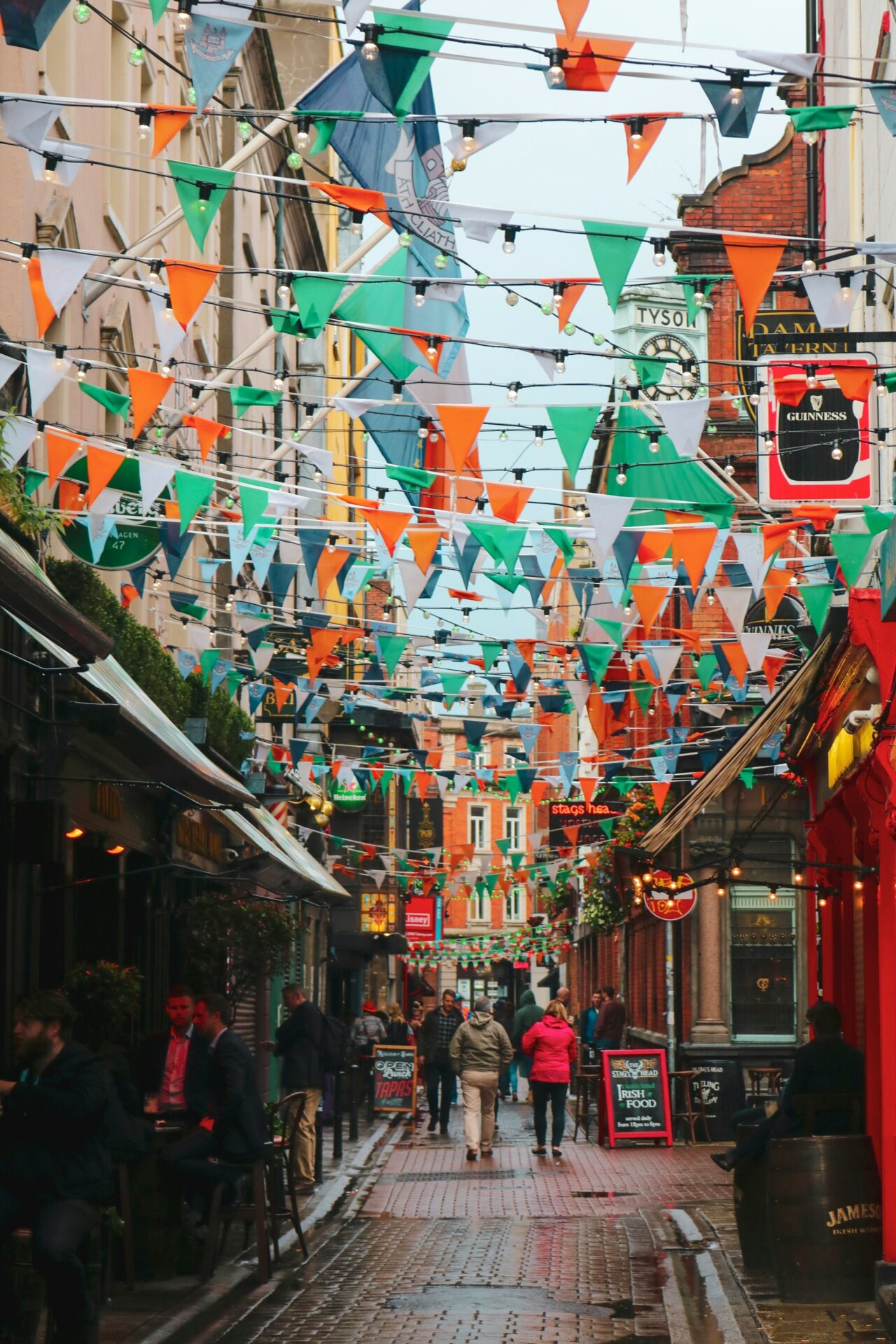
Where to Stay in Dublin?
Dublin’s neighborhoods each have their own personality. A few favorites:
Temple Bar – Central, lively, full of pubs and music. Great if you want energy and walkability. You may want to skip it at night if you’re not into loud and inebriated.
St. Stephen’s Green – Elegant, calm, and close to museums, parks, and great restaurants.
Ballsbridge – Leafy, upscale, and quieter – perfect if you want a more relaxed base.
Smithfield – Trendy, artsy, and full of cool cafés and markets.
Howth (nearby) – If you’d rather skip the city bustle, stay by the sea in this charming fishing village. There is great food, cliff walks, and an easy train ride into Dublin.
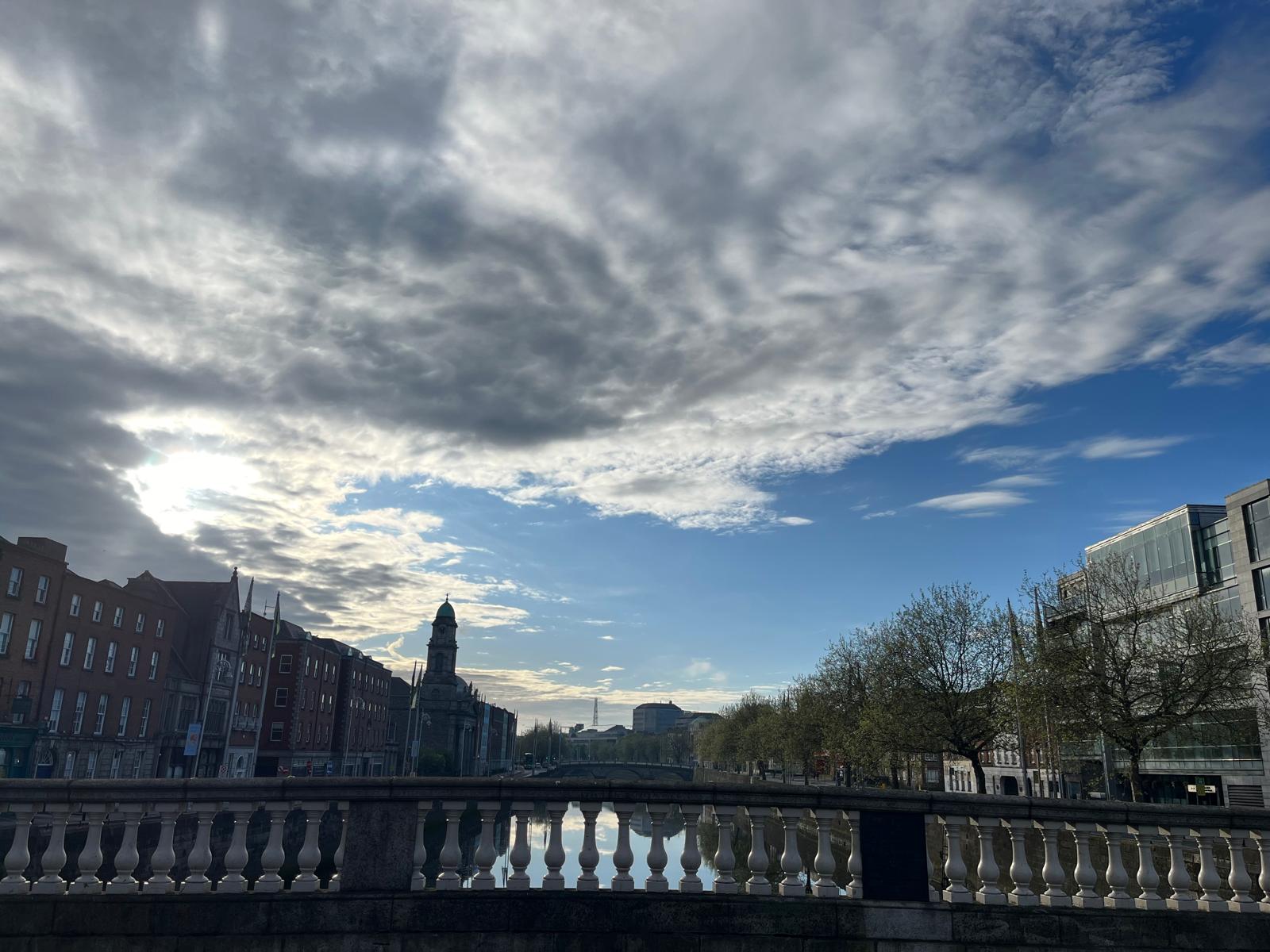
Quote some Joyce on the bridge over the River Liffey.
How to Get Around?
-
- Walking: Dublin is compact and very walkable. Just remember to look right first when you’re crossing the street!
- DART (train): Perfect for coastal towns like Howth, Dalkey, and Bray.
- Luas (tram): Clean, modern, and connects major neighborhoods.
- Taxi/Uber: Easy to find and reasonably priced.
- Heuston Station: OK, this isn’t a means of getting around, but this large train station on the city’s west side is your jump-off point to many places around Ireland, including Killarney and your Parallel trip.
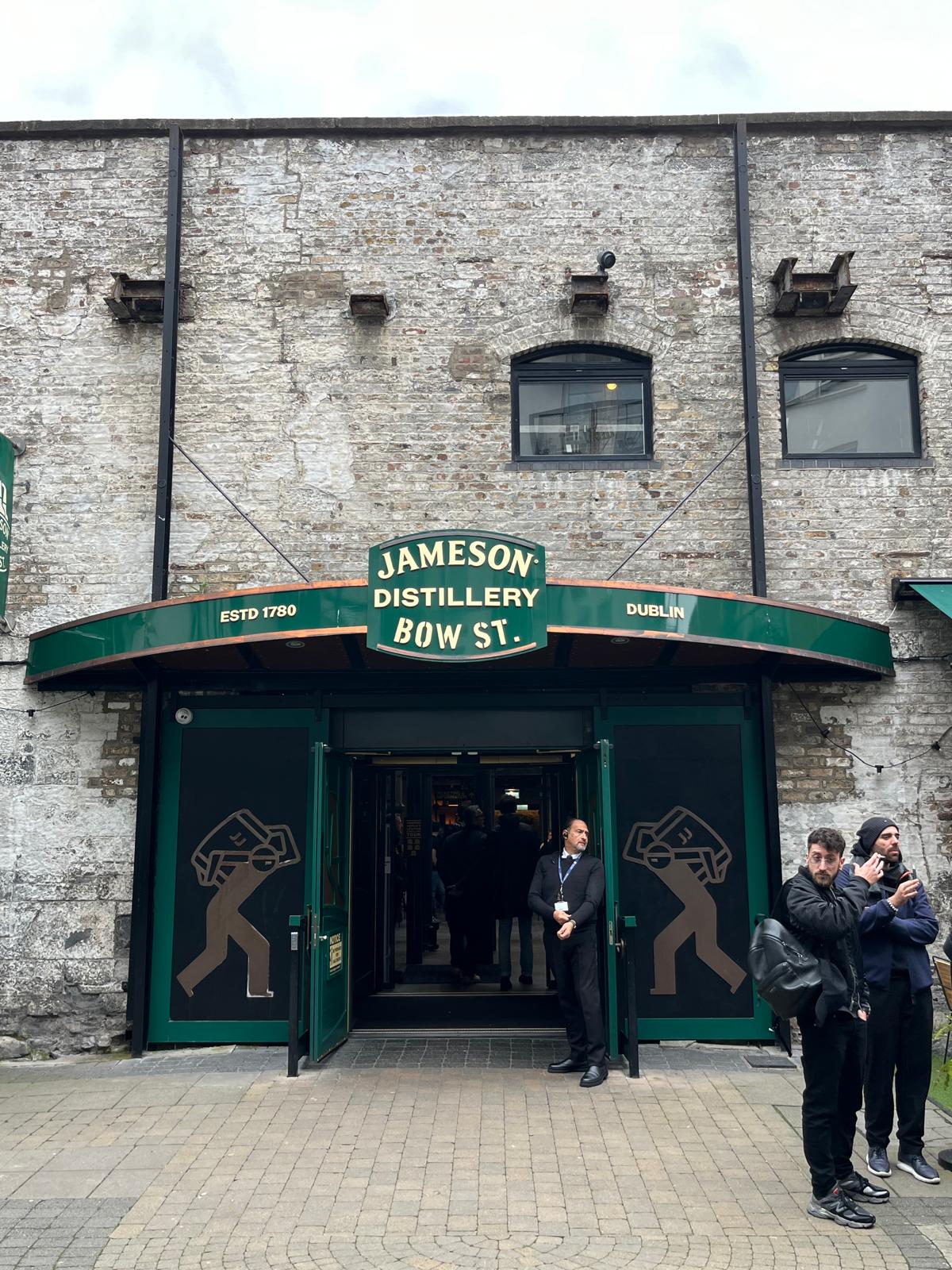
Maybe skip your driving-on-the-left practice after your trip to the Jameson Distillery.
What to Do and See?
A mix of classics and Parallel‑preferred gems:
- Trinity College & The Book of Kells – A must‑see for book lovers. Reserve online!
- St Stephen’s Green – a gorgeous green space near Trinity College.
- St. Patrick’s Cathedral – Stunning architecture and peaceful grounds.
- The Guinness Storehouse -Yes, it’s touristy. Yes, the rooftop pint is worth it. As are the pints on your way up to the rooftop…
- Howth Cliff Walk – Get away from the hordes with a spectacular coastal hike just 25 minutes from the city. You can take the tram straight to the village (very good restaurants in town – see if you can land a reservation at the King Sitric). Look out for King George’s footsteps, too (and then marvel at how small his feet were…).
- The Little Museum of Dublin – Charming, quirky, and very Irish.
- Grafton Street – Street musicians, shops, and great people‑watching.
- The Cobblestone – One of the best spots for traditional Irish music.
- Phoenix Park – an enormous urban park home to miles of quiet, nearly tourist-free walks, and should you have a giraffe hankering, the Dublin Zoo.

Trinity College’s stunning library. Think Hogwarts but way cooler because it’s real.
What to Eat + Drink?
Food
Irish cuisine is hearty, fresh, and far better than the stereotypes.
- Seafood chowder – Creamy, rich, and perfect after a windy walk.
- Brown bread with Irish butter – Simple but always a hit.
- Fish and chips – Best enjoyed near the coast. And lucky you – when you’re in Dublin, you’re near the coast!
- Irish stew – Lamb, potatoes, and comfort in a bowl.
- Soda bread – A staple at nearly every café.
This picture needs no caption.
Drink
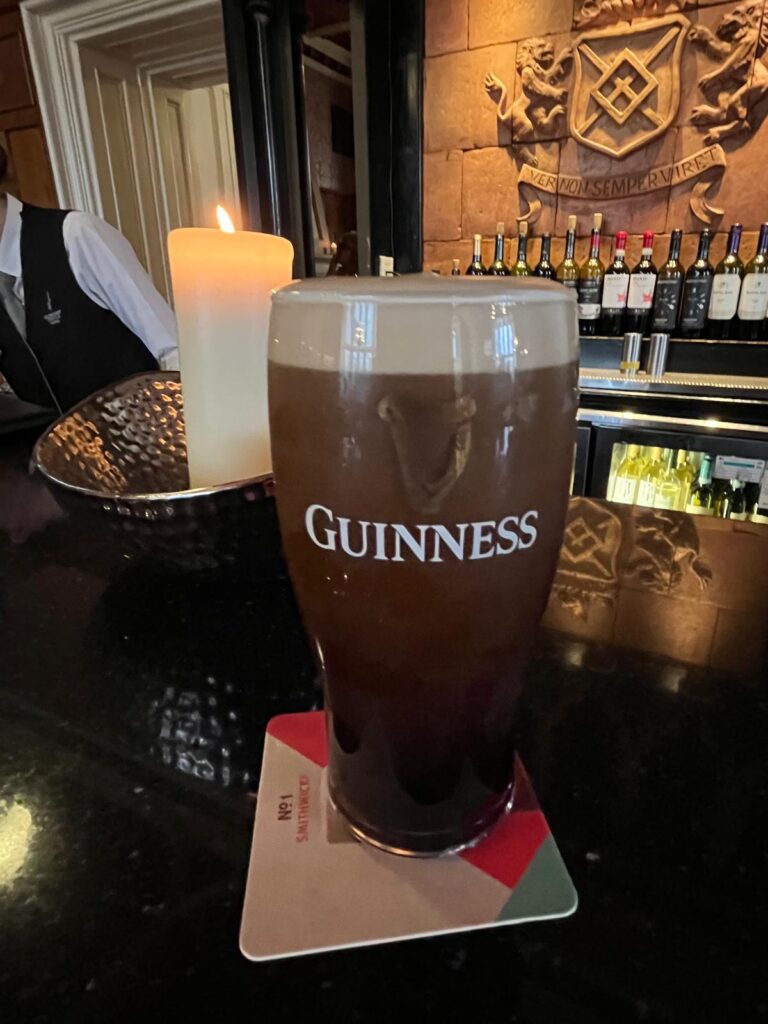
- Guinness – Tastes different (and better) in Ireland.
- Irish whiskey – Try Redbreast, Teeling, or Powers. There are literally hundreds of little distilleries. We have broad experience and are yet to be disappointed.
- Irish coffee – A warm, boozy classic and a lovely way to close out the evening, particularly if it’s drizzling outside.
- Craft beer – Dublin’s microbreweries are thriving.
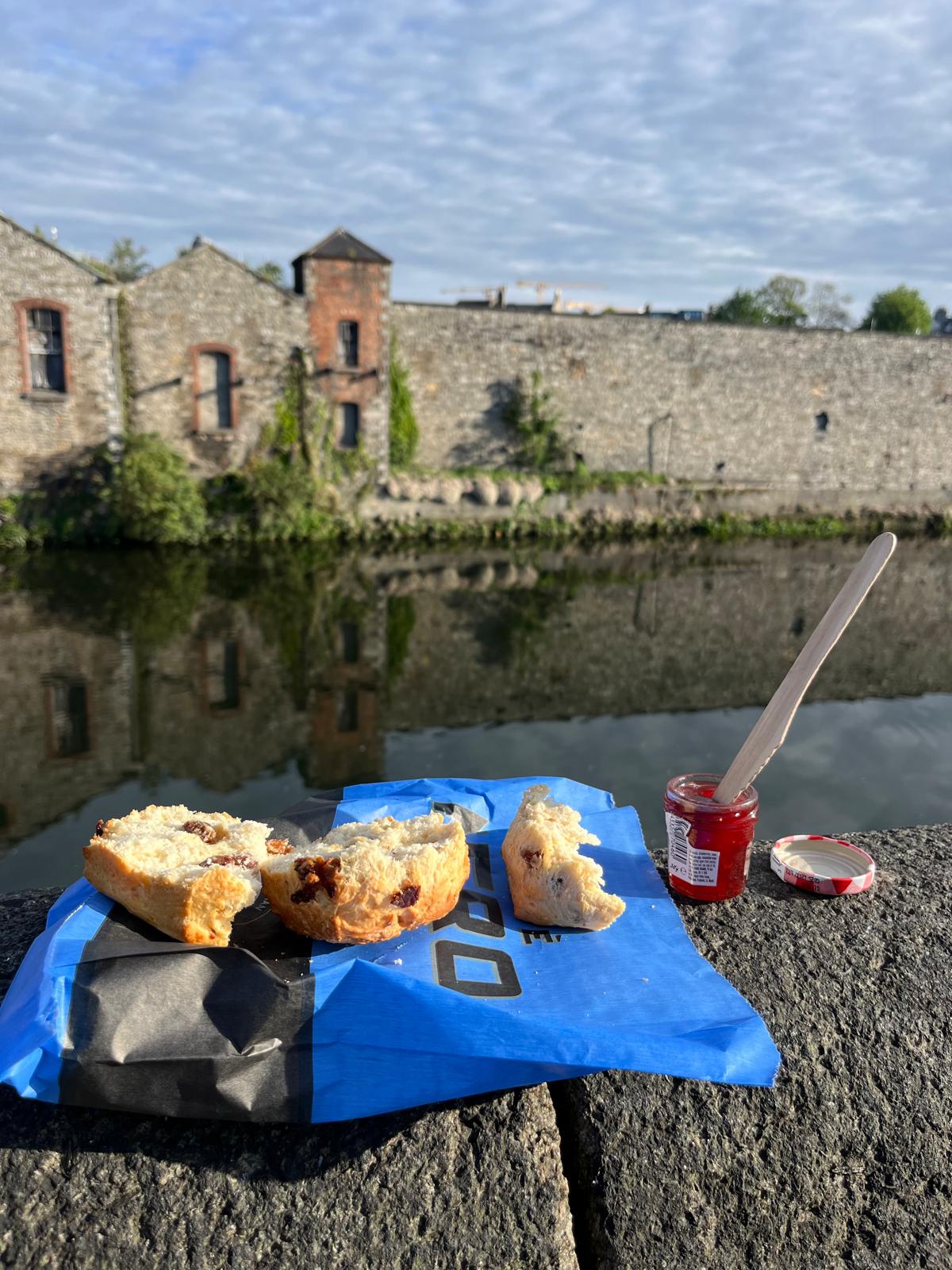
Enjoy a remarkably good train station scone just outside of Heuston Station.
Miscellaneous Tips + Tricks
- Dublin is generally a very safe city, but it’s always wise to keep an eye on your belongings in busy nightlife areas.
- Weather changes fast – pack layers and a rain jacket. Better to have it and not need it than to need it and not have it!
- Book major attractions ahead of time, especially in summer. All of the major sites allow you to purchase tickets online.
- Pubs often have live music, but not always advertised – wander and follow your ears.
- Tipping isn’t mandatory, but 10-12% is appreciated for good service.
- Keep an eye out for the ‘ol rainbow and its proverbial pot of gold!
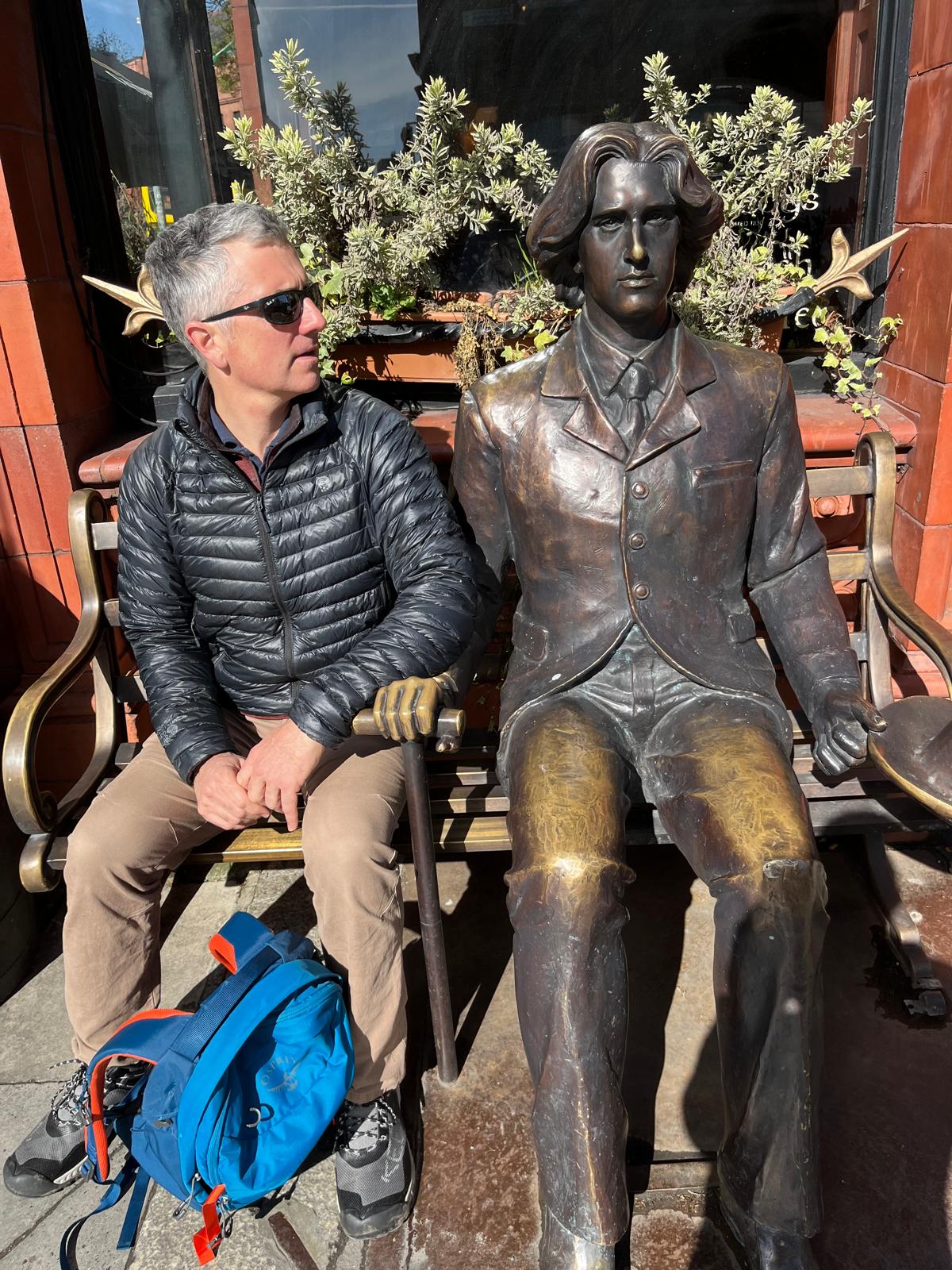
Chad and his buddy, Oscar W., invite you to enjoy Dublin and its many delights.